Overview
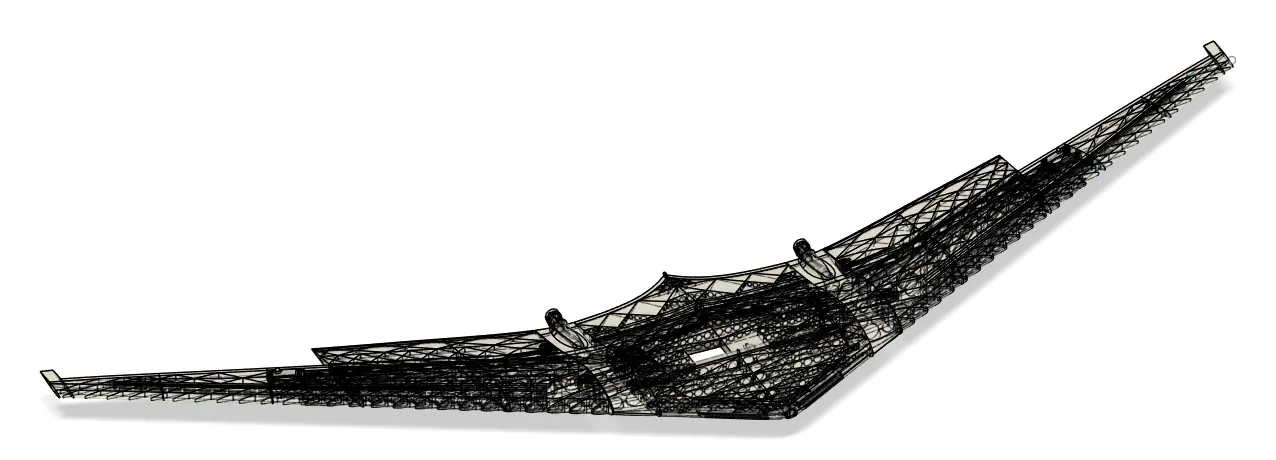
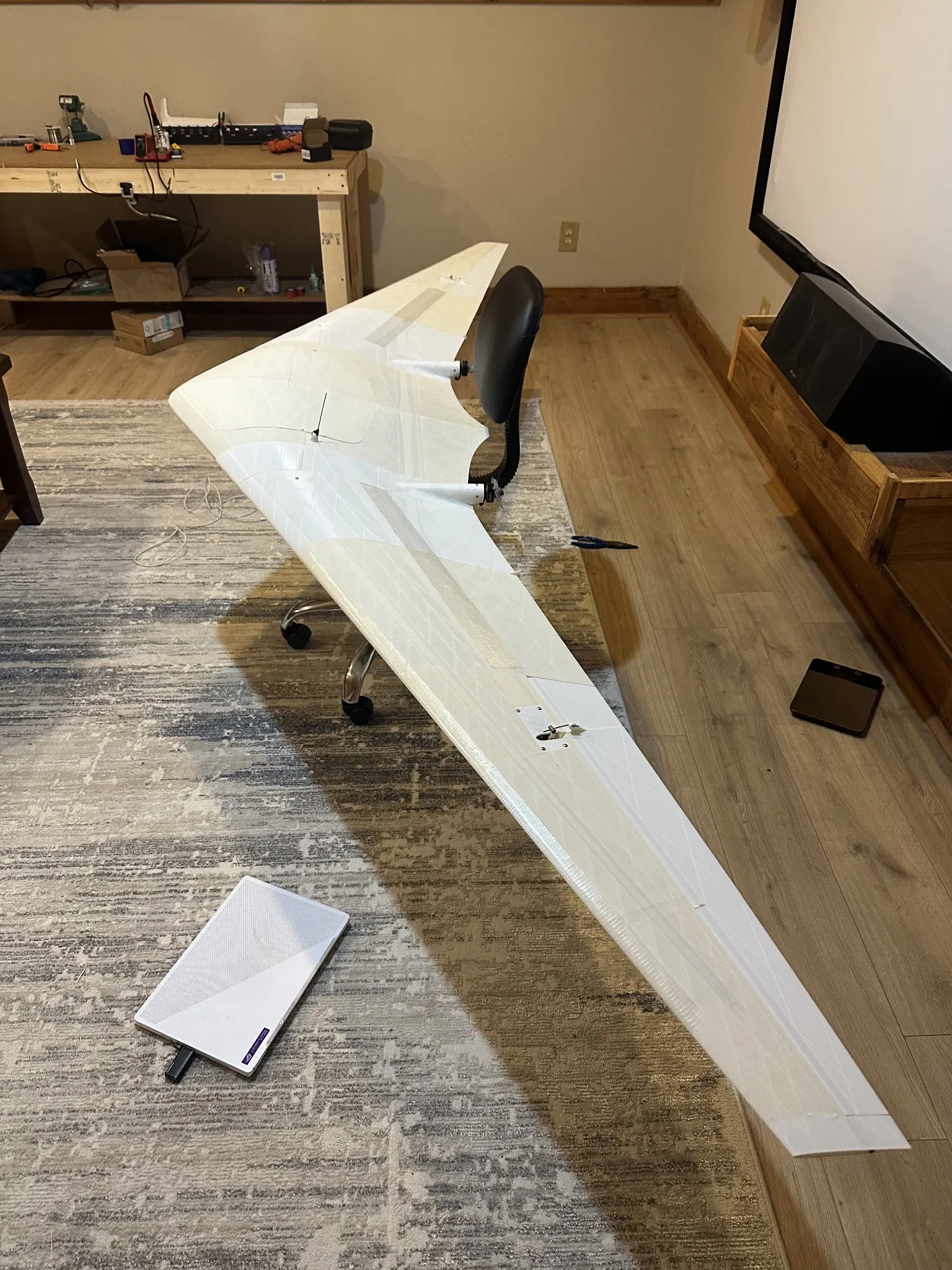
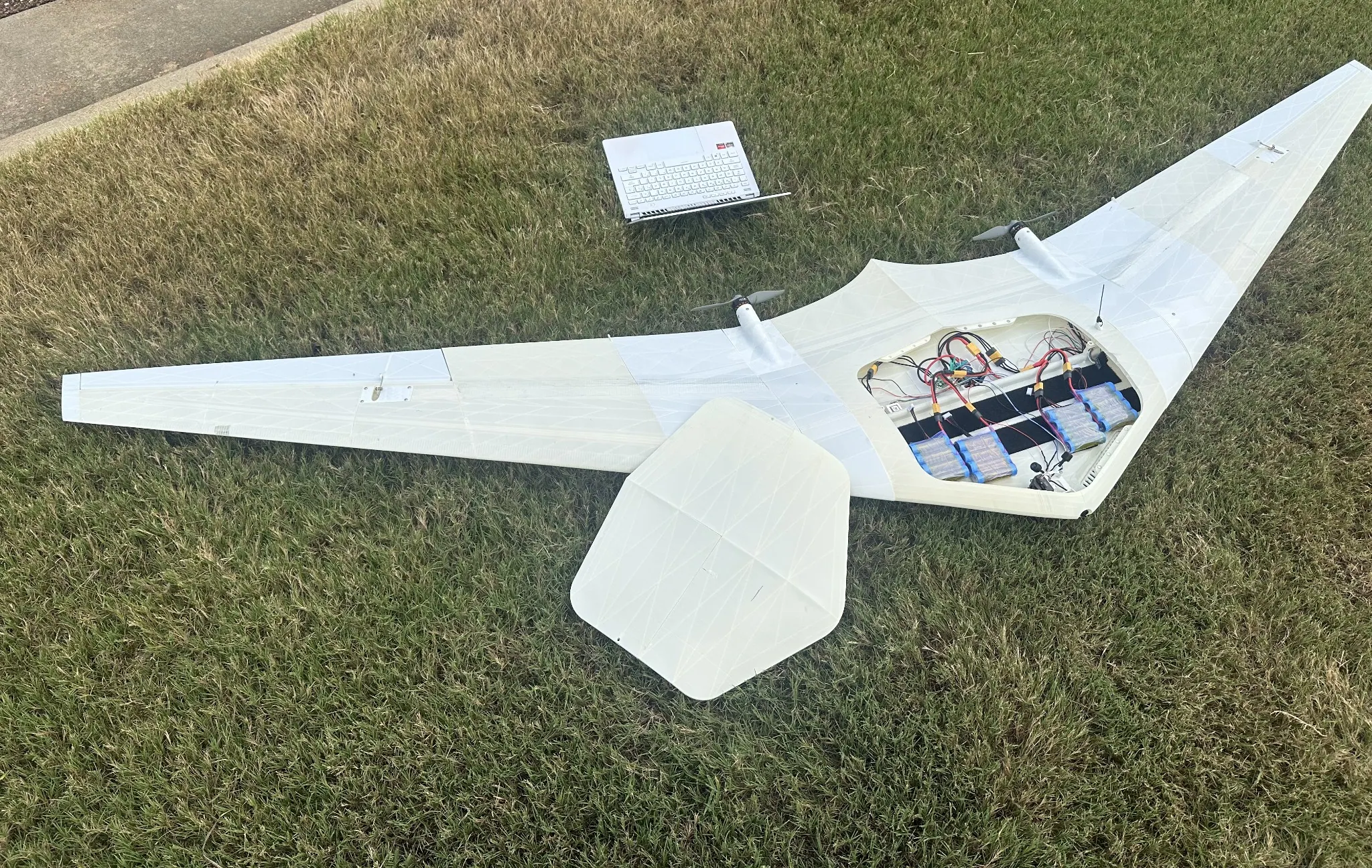
Inspired by NASA’s Prandtl Wing research, Colossus is the latest evolution of my obsession with pure-form flying wings. This design builds upon lessons learned from Goliath. Colossus abandons the split elevon active yaw control utilized by Goliath. Instead, a more mathematical approach was used to optimize the lift distribution of the wing in hopes of eliminating adverse yaw effects. The elimination of adverse yaw effects, combined with a light, pure-form design, paved the way for incredible efficiency, achieving 4–8 hour flight times on a 4S 20000 mAh Li-ion battery.
Design
This may be surprising to many engineers, but Colossus’s geometry was actually designed in microsoft excel before being imported into CAD. The airfoil is interpolated from a higher cL reflexed airfoil to a symmetrical foil in the tip with twist/chord matehematically optomized to achieve bell-curve lift distribution.
Manufacturing
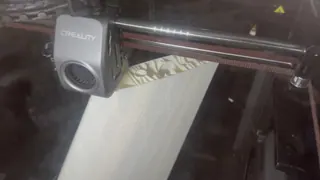
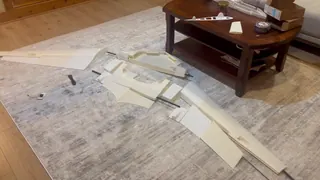
Manufacturability was one of the toughest constraints. The entire aircraft was designed to be printed with a spiralized outer contour: most parts were printed without a single nozzle retraction in order to increase compatibility with active foaming ASA filament. This introduced very tight geometric constraints- no single cross section of a part could have more than one closed region.
Electronics & systems
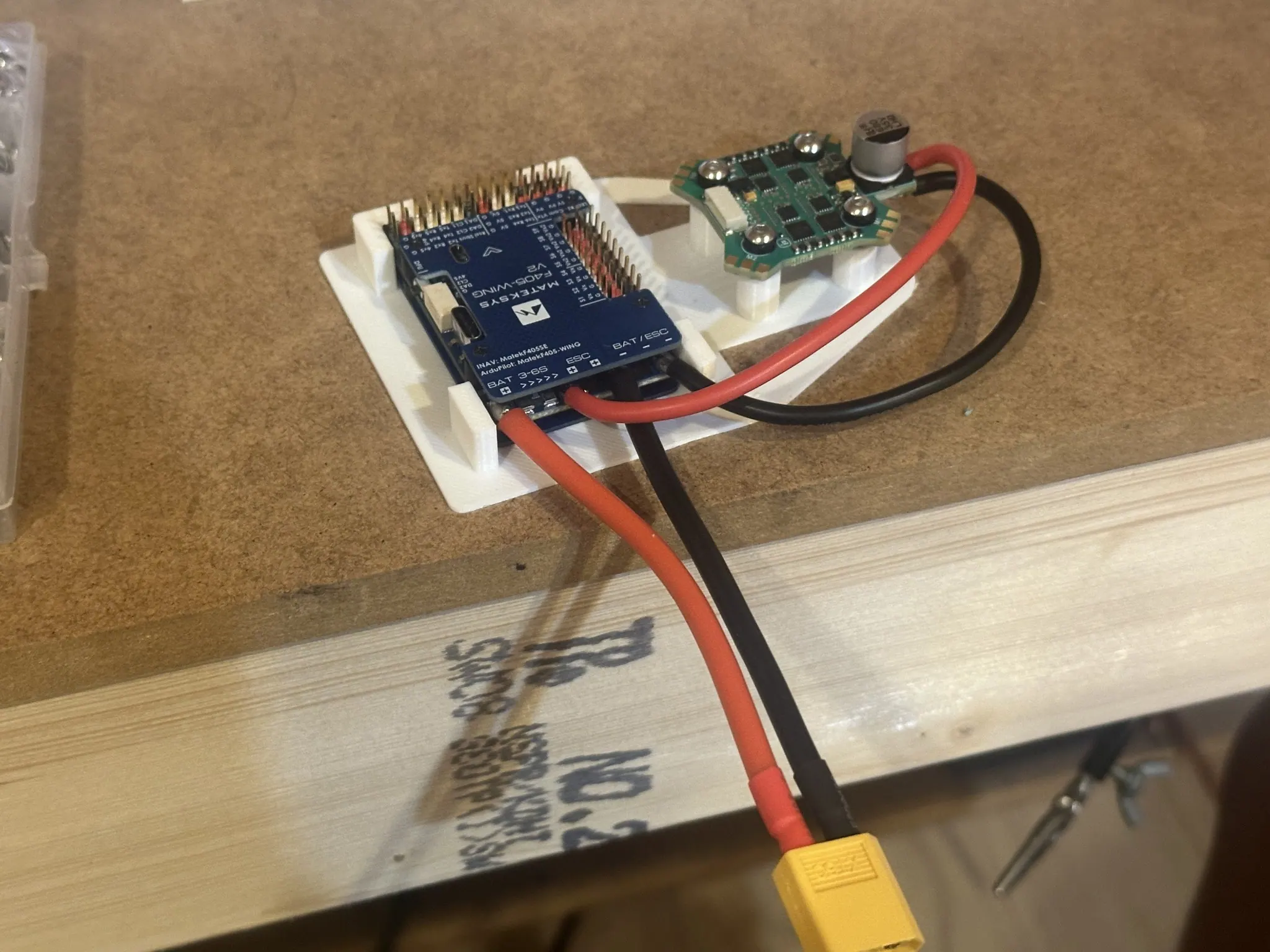
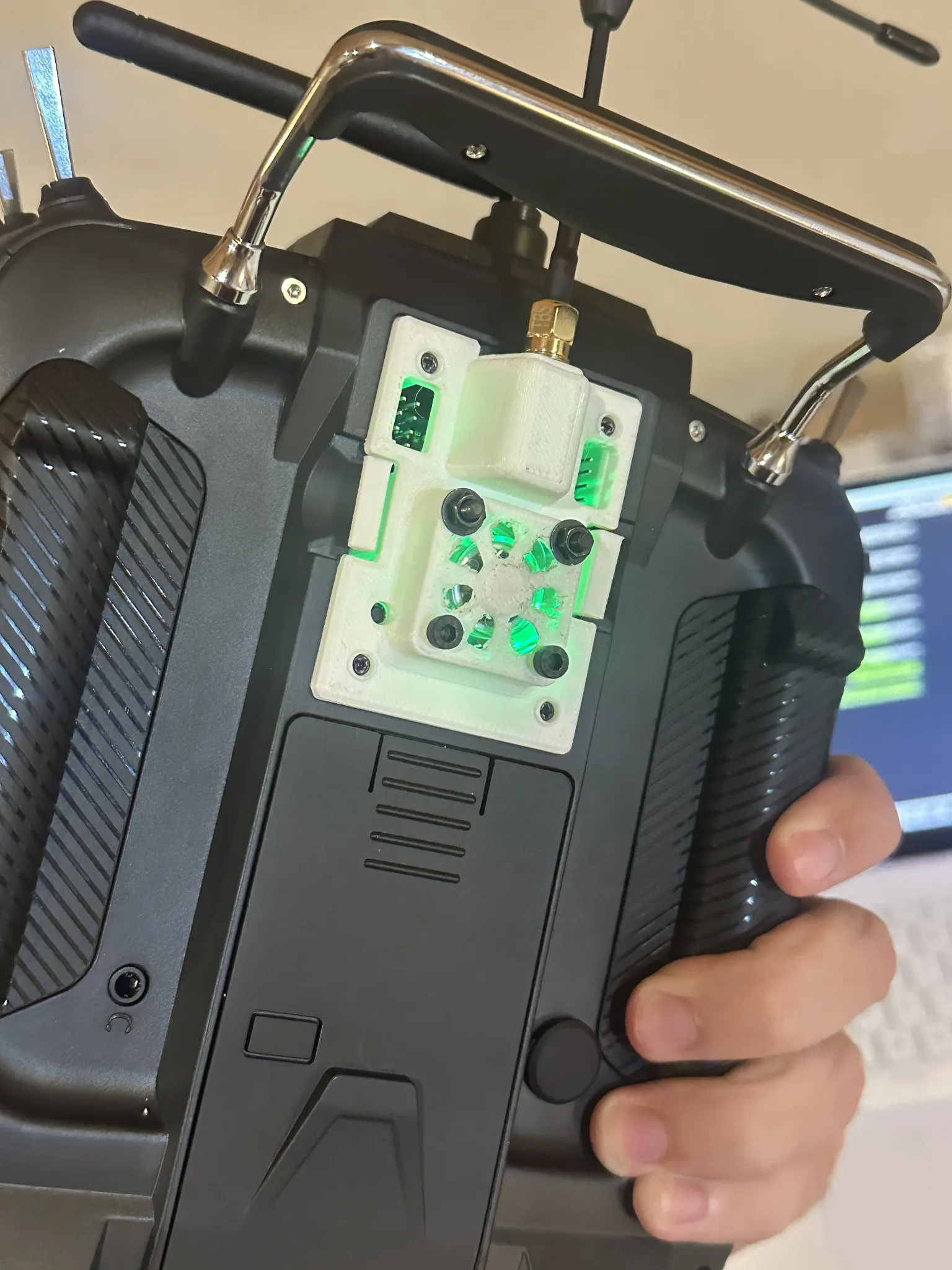
Utilized Ardupilot for autonomous flight capability, including autolaunch and waypoint missions. Utilized custom mLRS radio to facilitate telemtry and direct RC control via fly-by-wire when necessary.
Flight testing
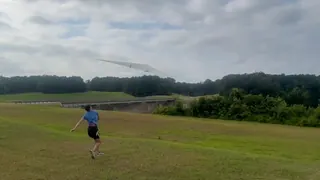
After the cleanest hand launch ever seen, the first test flight exhbited the pure-form wing’s ability to manuever wihout active yaw stability.
Lessons & next steps
I think this is the largest plane to reasonably build with a 3D-Printer due to structural constraints- time to move to composites!